When training becomes the difference between passing and parking
Tim Adam
Industry Business Advisor
May 19, 2026
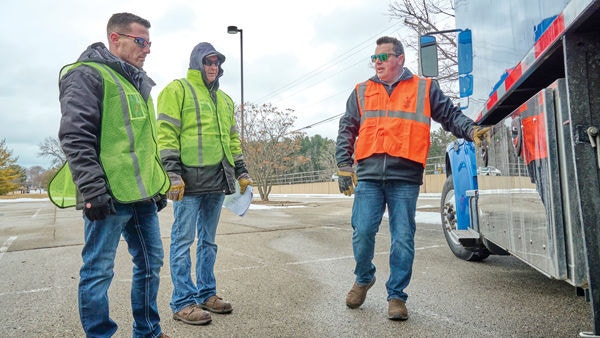
Roadcheck 2026 is now behind us. Data is still being collected, but initial reports show a significant increase in both violations and out of service (OOS) orders compared to 2025 numbers. Many of these violations could have been avoided by a thorough inspection before the driver began the day.
Roadside inspections can be stressful, especially for drivers who are unsure of what to expect or how to respond. A lack of preparation can lead to violations, out-of-service orders, and increased risk for both the driver and the carrier. On the other hand, a well-trained driver approaches inspections with clarity, professionalism, and confidence.
That’s where a structured training approach, like J. J. Keller’s Safe & Smart Driver Training, makes a measurable difference.
The strength of Safe & Smart Driver Training lies in its systematic approach to vehicle inspection and compliance behavior. Rather than overwhelming drivers with information, it breaks key concepts into practical, repeatable steps that align with real world enforcement expectations. Drivers aren’t just told what to do; they’re shown how to do it consistently.
For example, the program reinforces a step-by-step process for conducting inspections. This ensures drivers are routinely checking the same critical components that inspectors will examine roadside, including required documentation. Over time, this repetition builds muscle memory and reduces the likelihood of missed defects or paperwork issues.
This focus on behavior is just as important as technical knowledge. Many violations don’t stem from a lack of understanding; they stem from inconsistency. Training designed to address this gap is essential for achieving improved outcomes.
New drivers often enter the industry without the habits needed to perform thorough, consistent inspections. They may know the steps but not yet have the discipline to perform them the same way every time. On the other hand, experienced drivers can fall into the opposite trap, where familiarity leads to shortcuts and their inspection routines gradually deteriorate over time. Both scenarios create risk, just in different ways. This is where Safe & Smart Driver Training becomes especially valuable. By reinforcing a consistent, systematic inspection process, it helps new drivers build strong habits from day one while also recalibrating experienced drivers back to best practices. The structured, repeatable approach eliminates guesswork, reduces complacency, and ensures every driver is inspecting equipment the way enforcement expects.
Investing in driver training sends a clear message that a carrier is committed to more than just regulatory compliance. It shows a genuine interest in the driver’s long-term success and safety. When training goes beyond simply “checking the box” and instead focuses on building skills, confidence, and professionalism, drivers recognize that they are valued as critical partners in the operation, not just as a liability to manage. This kind of investment helps drivers feel supported, which leads to better engagement, stronger safety habits, and more consistent compliance on the road. In turn, drivers are more likely to take ownership of their performance, approach inspections with confidence, and make decisions that protect themselves, the company, and the public. Ultimately, meaningful training builds trust, and when drivers trust that their carrier is invested in their success, they are far more likely to invest in doing the job right every day.