The Power of Effective Driver Coaches
July 1, 2026
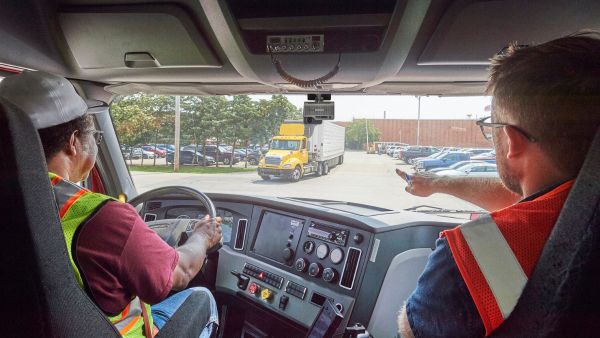
In today’s safety-driven transportation environment, the difference between a compliant driver and a truly safe, confident driver often comes down to one thing: coaching. Too often, organizations rely on instruction alone. Instruction tells a driver what to do, for example, follow this rule, perform this inspection, don’t exceed this speed. It's necessary, but it's not sufficient. Instruction builds knowledge. Coaching builds behavior.
The Distinction Matters
Instruction is typically one-directional. It's delivered in classrooms, with videos, or checklists, where the goal is consistency and compliance. Coaching, on the other hand, is a two-way process built on conversation, reflection, and accountability. Effective coaches don’t just tell drivers what went wrong, they uncover why it happened and help drivers develop a better response next time.
Coaching Turns Information into Action
Consider a driver who begins showing a pattern of hard braking events. An instructor might assign additional training or remind the driver of safe following distances. A coach sits down with the driver, reviews the event, and asks questions. What were you seeing in that moment? What pressured your decision? What would you do differently next time? That conversation leads to ownership, and ultimately, change.
Real Transformation Happens in those Moments
One fleet observed a long-tenured driver whose behavior suddenly declined, picking up multiple violations in a short period. Traditional training failed to resolve the issue. It wasn’t until a supervisor engaged in coaching conversations that the root cause emerged, fatigue from a schedule change. By adjusting the schedule and reinforcing better habits, the driver returned to a strong safety record.
In another case, a newer driver struggled with distracted driving events captured on camera. Rather than issuing discipline alone, a coach worked with the driver to identify triggers and set measurable goals. Within weeks, incidents decreased and confidence improved.
Research supports these outcomes. Coaching, especially when paired with event-based feedback, can significantly reduce unsafe driving behaviors and crash risk.
Effective coaching doesn’t happen by accident: It requires intentional support from the organization
Employers play a critical role in developing strong coaches. Trainer certification programs equip internal leaders with the structure, consistency, and methodology needed to guide others effectively. These programs create a shared language and standard across the organization, ensuring drivers receive consistent messaging and support.
Peer learning is equally valuable. Coaches who collaborate, share challenges, and learn from one another strengthen their ability to connect with drivers. No two drivers are the same, and exposure to different coaching styles builds confidence and adaptability.
Finally, coaches need the right tools and access to resources. Telematics, video, and performance data provide the insight needed to coach effectively, but tools alone are not the solution. They must be paired with training, time, and organizational commitment. Coaching is not a one-time event; it's an ongoing process requiring consistency and trust.
When done right, the results are measurable based on fewer incidents, improved retention, and a stronger safety culture.
At its core, driver coaching is about people. It’s about meeting drivers where they are, understanding their challenges, and helping them grow.
Because behind every safe, confident driver is a coach who knows how to connect, correct, and inspire.
And for organizations looking to develop those coaches, JJ Keller’s Safe & Smart Trainer Certifications provide the foundation to build a coaching culture that lasts.