Forklift Safety and Training
Brandon Black, Compliance Expert
May 20, 2026
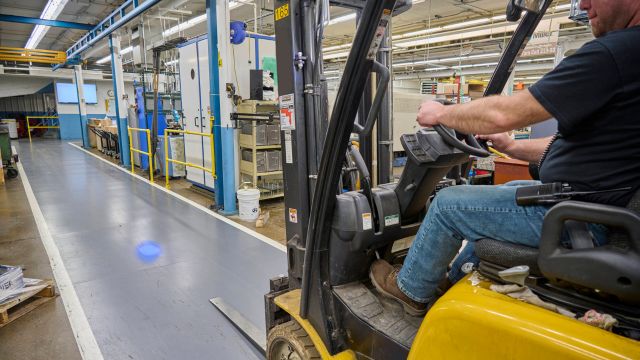
Forklift safety continues to be a critical concern for employers across industries. With renewed attention driven by National Forklift Safety Day, updates to ANSI consensus standards, and OSHA’s ongoing efforts to modernize powered industrial truck (PIT) requirements, the risks associated with forklift operations remain clear. Forklifts and other powered industrial trucks are widely used—and the consequences of unsafe operation can be severe. Recent federal data show that forklift-related incidents continue to result in dozens of worker fatalities each year and tens of thousands of serious injuries involving days away from work, job restrictions, or job transfers. OSHA severe injury reports further underscore the hazard, with forklifts frequently involved in incidents leading to hospitalizations, amputations, or loss of an eye. Despite advances in equipment design and safety technology, these incidents highlight an ongoing need for strong operator training, effective hazard controls, and diligent compliance efforts to protect workers and reduce risk.
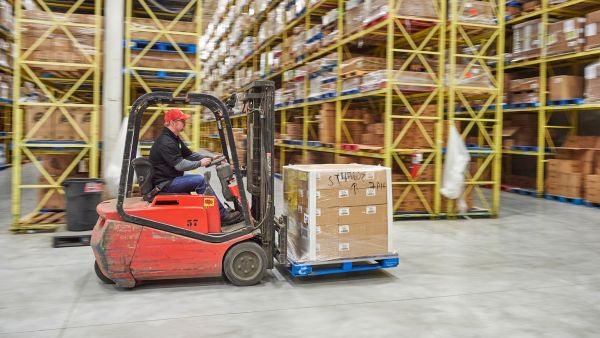
Forklift safety isn’t just about having the right equipment—it’s about making sure operators know how to use it safely in real‑world conditions. OSHA requires powered industrial truck (PIT) operators to receive initial training, hands‑on evaluation, and refresher training when incidents occur, equipment changes, or workplaces evolve. In today’s operations, where facilities use multiple truck types, technologies, and layouts, generic training programs fall short. Effective PIT training must address common forklift hazards, risks specific to each type of truck, general workplace dangers, and the unique conditions present in every facility. By combining formal instruction, practical training, and documented performance evaluations, employers can reduce serious incidents, protect workers and pedestrians, and demonstrate compliance with OSHA’s performance‑based requirements.