Driver Training: A Construction Essential
Comprehensive driver training is not only beneficial, but essential
February 23, 2026
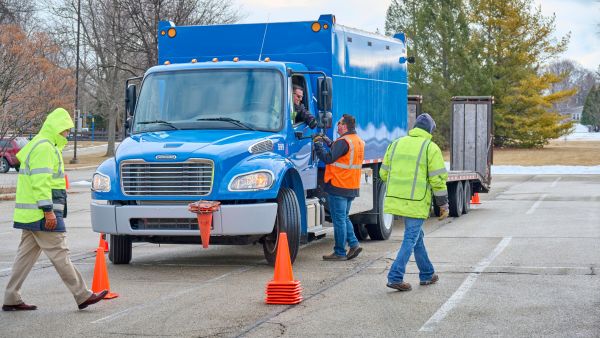
It’s a common misconception that driver training only matters in the world of long‑haul trucking.
In reality, construction industry drivers (from operators of equipment haulers and dump trucks to drivers of pickups with trailers) face significant risks on both public roads and jobsites.
These hazards make comprehensive driver training not just beneficial, but essential for maintaining safety, efficiency, and compliance.
Setting Up a Program
Construction is a diverse industry. It employs individuals of various ages, backgrounds, and experiences. This diversity adds value to an organization, but it can also present challenges for the driver trainer. What may work in an instructional setting for one individual may not work for another.
When establishing a meaningful training program, there are several variables to take into consideration including driver experience, learning preferences, and potential language barriers. You must assess and tailor your training to meet those needs.
Training Types
Driver training is most effective when it addresses the needs of every stage of a driver’s career. New driver training, recurrent training for experienced drivers, and focused coaching sessions work together to build safer practices and strengthen skills.
New driver training. New driver training should be completed by all new drivers, from the individual fresh out of driving school to the veteran driver who is new to your company. New driver training:
· Sets your company’s expectations before the driver starts operating your vehicles and equipment,
· Provides consistent messaging,
· Helps in undoing improper driving technique, and
· Resolves misunderstood compliance issues.
Experienced driver training. Consistent, recurrent training is also important for drivers who have been with your company and operating your vehicles for at least one year.
A regular review of regulatory requirements and defensive driving techniques ensures your experienced drivers have a current and consistent understanding of pertinent requirements and serves as a review of correct driving skills and good habits that should followed.
Corrective Action Training. Corrective action training should be conducted in addition to regularly scheduled training. This brief, one-on-one session with a driver is often triggered by an accident, incident, violation, or complaint. This type of training needs to be focused specifically on the individual driver’s problem or issue.
Learning Preferences
Not all drivers respond in the same way to all types of instruction. To make use of what is being presented, drivers need to be able to relate to the content. Because of this, driver trainers need to consider various approaches, based on their drivers’ learning preferences.
Structured learners prefer a focused learning experience, personal interaction, and the use of printed learning materials. Preferred learning activities include:
· Reading,
· Written exercises, and
· Demonstrations.
Self-directed learners like to have a certain level of control and input when it comes to their learning experience. They need to know why instruction is being provided and why it’s important. Preferred learning activities include:
· Games,
· Problem-solving exercises, and
· Simulation.
Active learners want to be engaged in the learning process. They prefer:
· Interactive learning activities,
· Group projects, and
· Discussion.
Addressing Language Barriers
Because the construction industry employs a diverse workforce, it is important to address language barriers in driver training.
The regulations require a certain level of understanding of the English language, including being able to respond to basic questions from law enforcement and being able to read and understand roadway signage. The regulations do not address language requirements when it comes to the delivery of driver training.
Studies show that students retain information best when it is delivered in their native language. When training drivers whose native language is not English consider providing the training and training materials in their native language. Doing so enhances understanding and improves retention.
Summary
A well‑designed driver training program is more than a compliance exercise—it’s an investment in safety, operational efficiency, and the long‑term success of your construction fleet. By tailoring training to drivers’ experience levels, learning preferences, and language needs, organizations can build a culture where safety is reinforced every day on the jobsite and the roadway. For construction companies looking to streamline training, monitor performance, and support safer driving behaviors, J. J. Keller® Safe & Smart™ offers an makes it easier to deliver consistent, high‑quality driver training.
We help construction companies tailor industry specific training for their employees. Get your program assessed today!
Fill out the form below or CALL 833-982-1236.
I'd like to learn more!
Talk with a Compliance Specialist today at 833-982-1236 or fill out the form below and we'll be in touch with you.
Thank You!
Thank you for your interest! A Compliance Specialist will contact you soon regarding your request or you can contact us at 833-982-1236
We're sorry, there was an issue in submitting the form.
Please refresh the page and resubmit your information.